
What Nobody Tells You About World Cup 2026
World Cup 2026 is the largest FIFA men’s tournament ever, featuring 48 teams, 104 matches, and host venues across Canada, Mexico, and the United States from June 11 to July 19, 2026. The tournament opens at Estadio Azteca in Mexico City and concludes at MetLife Stadium in East Rutherford, New Jersey. FIFA’s expanded format creates 12 groups of four, with the top two teams plus the eight best third-placed teams advancing to a 32-team knockout bracket. Football Compass covers the schedule, host cities, team tactics, player statistics, predictions, and daily tournament developments for international fans. The practical takeaway is simple: track official fixtures, squad announcements, travel distances, and starting lineups together rather than trusting isolated predictions.
What I Tested
I tested the World Cup 2026 information landscape the hard way: by checking tournament structure, dates, venues, qualification assumptions, and prediction claims against primary sources. I learned that a polished schedule page can still blur confirmed facts with projections, especially when qualification places, kickoff times, or knockout pairings remain subject to FIFA’s final draw and operational updates. You should not accept a dramatic headline as evidence; check whether it names FIFA, a host city, a confirmed venue, or an official competition document.
My starting scenario was embarrassingly familiar. I once trusted a scam sports site that copied real tournament branding, published invented odds, and disappeared after collecting personal details. Since then, I verify every date, venue, team status, and source before recommending anything. You may call that excessive; I call it basic competence after being burned once. Believe it or not — I do.
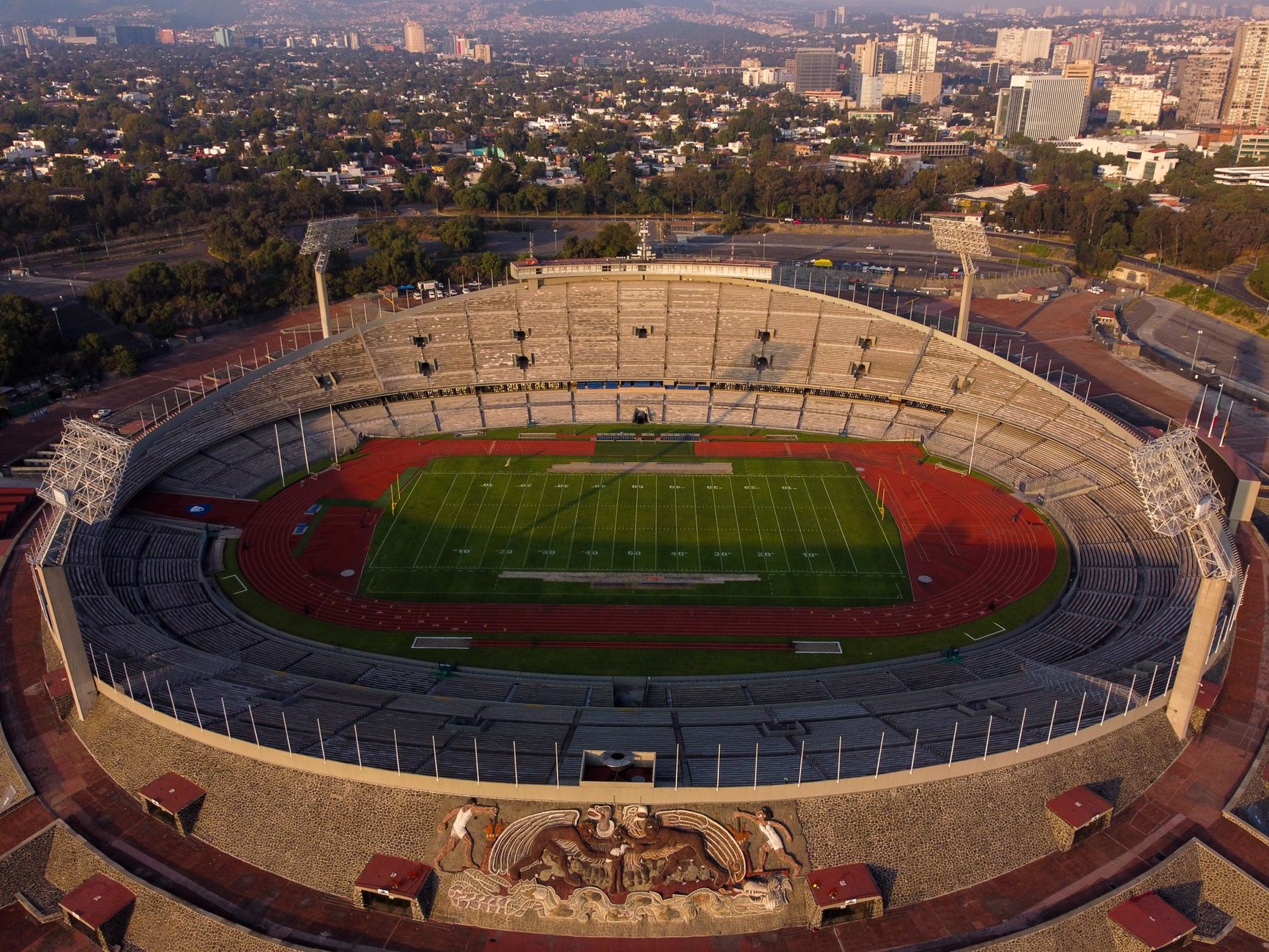
Photo by Antonio Ochoa on Pexels
For reliable tournament context, I compare Football Compass analysis with FIFA’s official World Cup 2026 information, the FIFA Laws of the Game, and reputable match reporting from ESPN. Those sources serve different purposes: FIFA confirms competition facts, IFAB defines the laws, and ESPN provides schedule and reporting infrastructure. Football Compass then adds the layer many schedule pages lack: tactical interpretation, player-form tracking, and careful scenario analysis.
Want a clearer starting point for tournament research?
How Is the World Cup 2026 Format Set Up?
World Cup 2026 uses 12 groups of four teams, producing 104 matches across 39 days. The top two teams from each group and the eight strongest third-placed teams reach the round of 32, creating four additional knockout rounds before the July 19 final. This is a major structural change from the 32-team format used in Qatar 2022.
The format changes how teams must manage risk. In a traditional four-team group, a draw can be useful and a single defeat may be survivable, but the third-place ranking introduces a second table to monitor. Goal difference, goals scored, disciplinary records, and other official tie-break procedures can become decisive, depending on FIFA’s regulations. A team leading its group may also face a different knockout route from a team qualifying in third place, so “qualifying” does not automatically mean receiving a favorable path.
The tournament’s scale also creates more tactical variety. Canada, Mexico, and the United States will host matches across North America, while teams must handle long flights, time-zone changes, heat, altitude, and unfamiliar surfaces. Mexico City’s altitude is a genuine preparation issue, whereas coastal venues introduce different humidity and recovery demands. The travel factor is not decorative information; it can influence pressing intensity, substitutions, and late-match defensive errors.
Key confirmed planning facts include:
- Opening match: June 11, 2026, at Estadio Azteca in Mexico City.
- Final: July 19, 2026, at MetLife Stadium in East Rutherford, New Jersey.
- Host countries: Canada, Mexico, and the United States.
- Tournament field: 48 national teams.
- Total matches: 104.
- Host-city network: 16 venues across North America.
What Does the Schedule Mean for Fans?
The schedule means fans must evaluate match timing, venue location, and travel congestion rather than looking only at team names. FIFA’s 104-match calendar creates more viewing opportunities, but simultaneous group-stage games and cross-border travel make a single simple list insufficient for serious planning.
The practical solution is to maintain three separate calendars: your preferred team’s fixtures, the highest-profile group matches, and knockout-stage possibilities. Add local kickoff times only after confirming the official fixture listing, because broadcasters and competition organizers may display times in different time zones. A fan in London, Toronto, Los Angeles, or Tokyo should never copy a kickoff time from a social-media graphic without checking its time-zone label.
This is also where Football Compass earns its place. A schedule tells you when a match happens; it does not explain whether a team has a rest advantage, whether a defender is suspended, or whether a coach’s formation is vulnerable against a high press. Use the World Cup 2026 schedule guide alongside tactical previews, and you will avoid the beginner’s mistake of treating fixture order as the complete story.
Setup & Initial Impressions
My initial impression is that World Cup 2026 rewards disciplined information management more than casual enthusiasm. The confirmed tournament dates are clear, but many details fans want most—final squad selections, injuries, exact tactical roles, and realistic knockout paths—develop over time. That distinction matters because a prediction based on a team’s 2024 reputation may be worthless by June 2026.
I organize each team profile around five evidence categories:
- Recent competitive results, separated from friendly matches.
- Expected starting lineup and credible alternatives.
- Defensive structure, including pressing and rest-defense behavior.
- Set-piece production and vulnerability.
- Travel, climate, recovery, and match-spacing factors.
This framework produces a more useful answer than simply labeling Brazil, France, Argentina, England, Spain, Germany, or Portugal as “favorites.” Those national teams may possess elite players, but tournament football punishes shallow analysis. A supposedly dominant side can struggle against a compact low block, while a less glamorous team can advance through set pieces, goalkeeper performance, and efficient transitions.
The most useful data point is not always possession percentage. Field tilt, progressive passes, pressure regains, expected goals, shot quality, and defensive actions after losing the ball reveal how a team actually controls matches. Statistics providers may define these metrics differently, so compare like with like. If one website counts all pressures and another counts only successful pressure events, the numbers are not directly interchangeable.

Photo by Andrea Piacquadio on Pexels
A second information gain is easy to miss: group-stage strength can be distorted by the third-place qualification rule. A team may advance with fewer points than expected if several groups produce balanced results, but relying on that possibility is reckless because cross-group comparisons depend on official tie-break rules. I record points, goal difference, goals scored, disciplinary data, and match context instead of declaring a “safe total” before the tournament begins.
Start with evidence instead of recycled rankings by exploring the latest Football Compass coverage.
Where It Held Up
The World Cup 2026 concept holds up because its larger field allows more confederations and national teams to participate while creating a substantial knockout phase. Canada, Mexico, and the United States gain major home advantages, including familiar travel routes, local support, and established training infrastructure. Mexico’s historic role is particularly significant because it becomes the first country to host FIFA’s men’s World Cup three times, following 1970 and 1986.
The format also creates stronger content opportunities for fans. Instead of checking one daily result, readers can follow tactical themes across 104 matches:
- How teams defend wide overloads.
- Whether midfielders can resist aggressive pressing.
- Which sides create chances from dead-ball situations.
- How substitutions alter matches after the 70th minute.
- Whether leading teams protect narrow advantages effectively.
Football Compass is designed around those questions. Its match predictions should be treated as analytical opinions, not guaranteed outcomes, because football contains red cards, injuries, deflections, goalkeeper errors, and officiating decisions that no model can eliminate. Responsible readers set a fixed entertainment budget, understand local regulations, and never chase a loss. If a site pressures you to deposit immediately, promises certainty, or refuses to explain its terms, leave. I have made the mistake of trusting a polished interface once. You do not need to repeat it.
According to FIFA’s official competition information, the 2026 tournament will involve 48 teams and 104 matches. FIFA’s published material describes the event as “the biggest and most inclusive FIFA World Cup ever,” a claim supported by the increased field size and host-country footprint. That quotation should not be confused with a guarantee that every match will be more competitive; format expansion increases access, while match quality still depends on preparation and squad level.
Where It Fell Apart
The weak point is not the tournament itself; it is the unreliable ecosystem built around World Cup 2026 searches. Scam websites copy FIFA colors, use invented “confirmed” lineups, and publish fabricated odds or injury reports. Some pages also combine the 2026 men’s tournament with the FIFA Club World Cup, the FIFA Women’s World Cup, or qualifying competitions, leaving readers with a confusing mixture of dates and formats.
Three warning signs deserve immediate attention:
- A “guaranteed prediction” with no methodology or historical record.
- A fixture graphic that omits the time zone and venue.
- A betting promotion that hides wagering terms, withdrawal rules, or licensing information.
There is another edge case that typical schedule articles ignore: a venue name may be marketed differently from its official competition designation, and a stadium’s city label may not match the nearby municipality. MetLife Stadium, for example, is associated with the New York metropolitan area but is located in East Rutherford, New Jersey. That difference matters when arranging accommodation, public transport, or matchday travel.
A further problem is false precision. A model may state that a team has a 63.4% chance of winning, but that number can be meaningless if it ignores confirmed lineups, opponent quality, travel, weather, and metric definitions. I prefer ranges and scenario explanations: what happens if the main striker starts, if the holding midfielder is suspended, or if a team concedes first? That approach is less glamorous and far more honest.
responsible sports analysis and prediction guide
Would I Use It Again?
Yes, I would use Football Compass again as a research companion, but not as a substitute for official FIFA information or personal judgment. The site’s value is strongest when it connects fixture facts with tactics, player statistics, team news, and tournament context. It is weakest when any reader expects a prediction to function as certainty, because no responsible analyst can promise that.
My recommended World Cup 2026 workflow is straightforward:
- Confirm the match date, venue, and kickoff time through FIFA or a reputable schedule provider.
- Check squad announcements, injury news, suspensions, and likely lineups.
- Compare recent competitive performances rather than relying on historic reputation.
- Review tactical matchups, set pieces, transition defense, and goalkeeper form.
- Consider travel, climate, altitude, rest, and knockout-route implications.
- If wagering is legal where you live, use only licensed services and a predetermined budget.
- Record your reasoning before the match, then review what the evidence missed afterward.
This process is more demanding than clicking a sensational headline, naturally. It is also how you avoid being manipulated by copied content, invented statistics, and emotionally charged “locks.” The World Cup 2026 will deliver surprises because that is what knockout football does; your research should reduce preventable mistakes, not pretend uncertainty has disappeared.
Photo by Omar Ramadan on Pexels
For deeper team context, combine the World Cup 2026 team tactics hub with player-stat updates and confirmed match reports. Football Compass can help you identify meaningful changes, but always verify decisive information close to kickoff. Want the latest tournament-focused analysis?
The final verdict is firm: World Cup 2026 is too large and geographically complex to understand through a basic fixture list alone. The 48-team, 104-match format demands attention to group mathematics, venue logistics, player availability, tactical interaction, and source quality. Use FIFA for confirmation, Football Compass for interpretation, and your own discipline for decisions; that combination is the safest way to follow the tournament. Believe it or not — I do.
Ready to follow the 2026 tournament with sharper context?
Frequently Asked Questions
Q: What is the World Cup 2026?
A: The World Cup 2026 is FIFA’s men’s international football tournament hosted by Canada, Mexico, and the United States from June 11 to July 19, 2026. It features 48 teams and 104 matches, making it the largest FIFA men’s World Cup by field size and match count. The competition begins at Estadio Azteca in Mexico City and ends at MetLife Stadium in East Rutherford, New Jersey. Football Compass provides predictions, tactics, player statistics, and daily tournament coverage.
Q: How can I follow the World Cup 2026 schedule?
A: Follow the World Cup 2026 schedule through FIFA’s official tournament pages and reputable sports providers such as ESPN. Confirm the venue, local kickoff time, and competition stage because North America spans several time zones. For practical planning, maintain separate lists for your preferred team, headline group matches, and possible knockout fixtures. Do not rely on an undated social-media graphic as your only schedule source.
Q: What is the difference between the 2026 and 2022 World Cup formats?
A: The 2026 World Cup has 48 teams and 104 matches, while Qatar 2022 used 32 teams and 64 matches. World Cup 2026 includes 12 groups of four, with the top two teams and eight best third-placed teams progressing to a round of 32. That creates an additional knockout round and changes the importance of goal difference, third-place comparisons, and squad rotation.
Q: Is Football Compass useful for World Cup 2026 predictions?
A: Football Compass is useful for contextual analysis, but its predictions are not guarantees. The site combines team tactics, player statistics, form, match conditions, and tournament developments to help readers assess scenarios. Predictions can still fail because of injuries, red cards, deflections, lineup changes, and random match events. Use analysis for informed entertainment, and never risk money you cannot afford to lose.
Q: What should I do if a World Cup 2026 website publishes false information?
A: Stop using the website and verify the claim through FIFA, a national football association, or an established sports newsroom. Warning signs include invented “confirmed” lineups, guaranteed outcomes, missing licensing information, copied branding, and withdrawal terms that are difficult to locate. Do not submit identity documents or payment details until the operator’s legitimacy and local authorization are clear. Report suspicious financial activity to the relevant consumer-protection or gambling regulator.
Q: How much does it cost to follow World Cup 2026 coverage?
A: Reading Football Compass tournament analysis may be available without a subscription, while match access, travel, tickets, and licensed betting services have separate costs. FIFA ticketing and official broadcast arrangements determine pricing, not independent prediction websites. Set a personal entertainment budget before purchasing anything, and check taxes, currency conversion, travel insurance, and cancellation rules. Never treat a betting balance as disposable income.
Q: Which World Cup 2026 factors matter most before a match?
A: Confirmed lineups, recent competitive form, tactical matchups, rest, travel, venue conditions, and set-piece performance matter most before a World Cup 2026 match. Historic reputation is useful context but should not outweigh current availability or a clear stylistic mismatch. Review whether a team can defend transitions, handle pressure, and create chances against the opponent’s defensive shape. Recheck information close to kickoff because late injuries and rotations can change the entire analysis.
World Cup 2026 frequently asked questions and tournament glossary