
Inside Kansas City: A 6-Match World Cup Tour
Kansas City was a FIFA World Cup 2026 host city in the United States, staging six matches at Kansas City Stadium while connecting local football culture with the tournament’s expanded North American format. The city’s official programme highlighted a FIFA Fan Festival, match-day galleries, cultural events, and a regional welcome that reached across two states. FIFA World Cup 2026 is the first tournament featuring 48 teams rather than 32, with Canada, Mexico, and the United States serving as co-hosts. Kansas City’s experience therefore matters beyond one venue: it shows how host cities convert football into transport planning, public viewing, hospitality, and regional identity. Football Compass uses that wider context alongside team tactics, player statistics, match predictions, and responsible betting analysis. Before following any odds, confirm the fixture, competition stage, squad news, and official market rules; a verified information trail is more valuable than a tempting headline, believe it or not — I do.
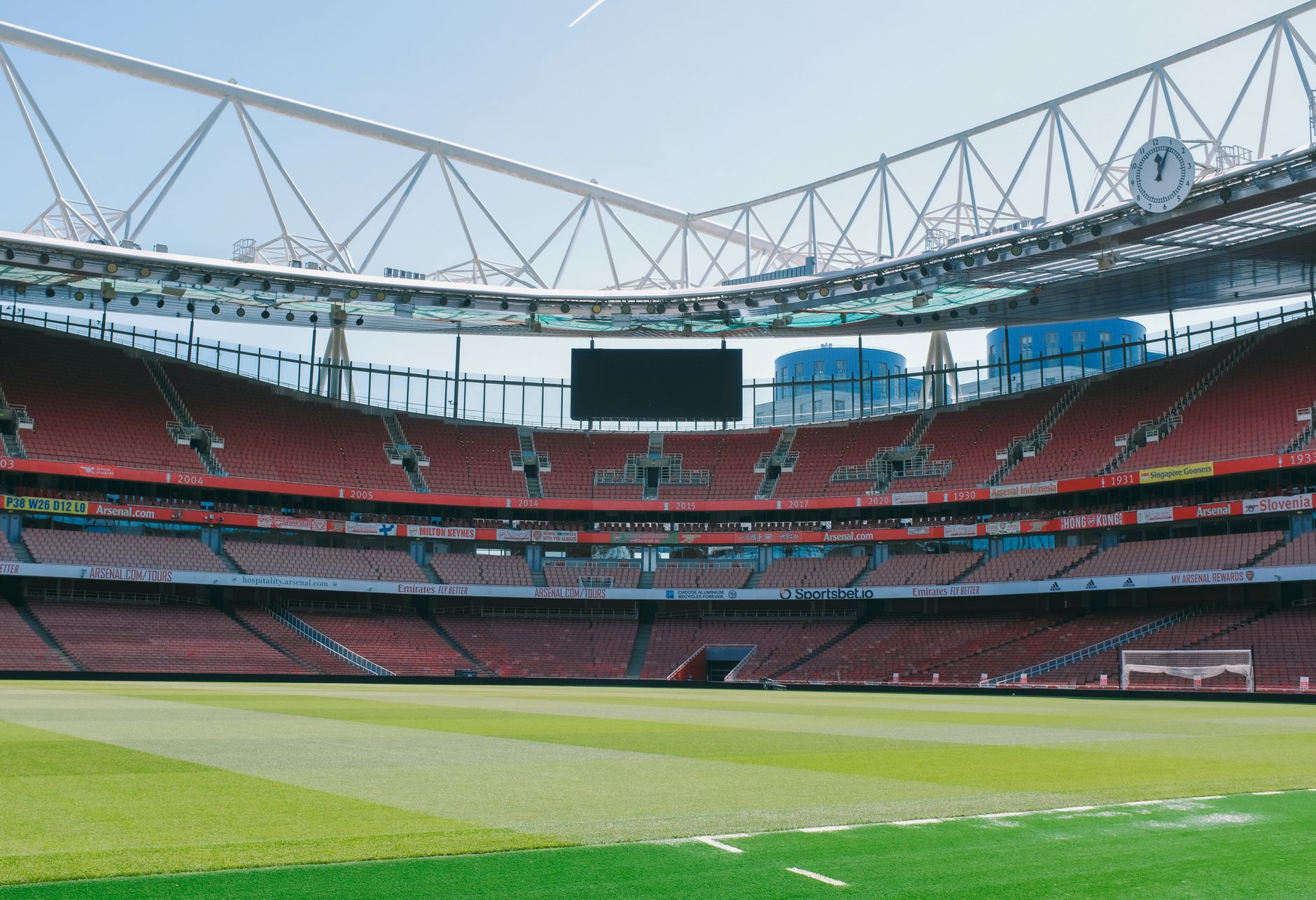
Photo by Huy Phan on Pexels
Kansas City’s tournament story was never just about ninety minutes. The official FIFA World Cup 2026 Kansas City programme positioned the region as a place where sport, food, entertainment, and community could operate together, while the FIFA Fan Festival gave supporters without match tickets a central way to participate. That distinction is important for anyone searching “2026 World Cup football,” because the event should be understood through three connected layers: the matches, the host-city operation, and the information ecosystem around predictions and betting. A casual reader sees crowd images; a careful analyst asks who played, where the game sat in the schedule, how travel affected recovery, and whether a price actually reflected probability. I learned that lesson after trusting a polished scam site once, so do not skip verification simply because a page looks professional. Check FIFA, the host-city authority, and established reporting before acting.
Want a clearer tournament briefing before comparing matches?
Before 2025: How did World Cup football work?
Before 2025, World Cup football generally used a 32-team format, eight groups, and a pathway in which the top two teams from each group advanced to a 16-team knockout stage. FIFA confirmed the 2026 tournament’s expansion to 48 teams, creating a different competitive and logistical framework. The old structure made every group match highly compressed and often rewarded teams that started quickly; the new structure increases the number of fixtures and introduces a Round of 32. That means historical comparisons require care: a team’s points total, goal difference, rest pattern, and route to the final may no longer carry exactly the same meaning. The FIFA tournament overview is the correct starting point for format confirmation, not an anonymous odds page or recycled social-media graphic.
The pre-2025 model also shaped how analysts judged risk. A single draw could be damaging when only two teams progressed, and coaches often prioritised control over experimentation because three group matches left little room for repair. Bettors likewise looked for familiar signals: qualification probability, home advantage, expected goals, set-piece strength, and injuries. Yet even under the 32-team system, tournament football was not a normal league. Sample sizes were tiny, knockout pressure changed decision-making, and travel could distort performance. The experienced approach is to separate structural facts from narrative noise. “The beautiful game” may be a memorable phrase, but it does not tell you whether a team can defend transitions in the 78th minute. For background, readers can consult FIFA World Cup history and compare formats across editions.
A useful pre-2025 checklist included:
- Confirm the group and qualification rules from FIFA.
- Compare recent competitive matches rather than relying on friendlies alone.
- Review expected goals, shots conceded, set-piece outcomes, and goalkeeper availability.
- Check travel distance, rest days, temperature, and kickoff time.
- Treat betting odds as market estimates, not guaranteed predictions.
The information gain many guides miss is the importance of separating a team’s baseline quality from its tournament route. A strong side facing a difficult group may have a lower qualification probability than a slightly weaker side receiving favourable opponents, even if the stronger side remains more likely to win a single match. I also recommend recording the timestamp of every prediction. Odds move when lineups, weather, or market sentiment changes, and without a timestamp you cannot tell whether your original analysis was genuinely better or merely benefited from late information. Football Compass is most useful when it helps you build that audit trail, not when it encourages blind confidence.
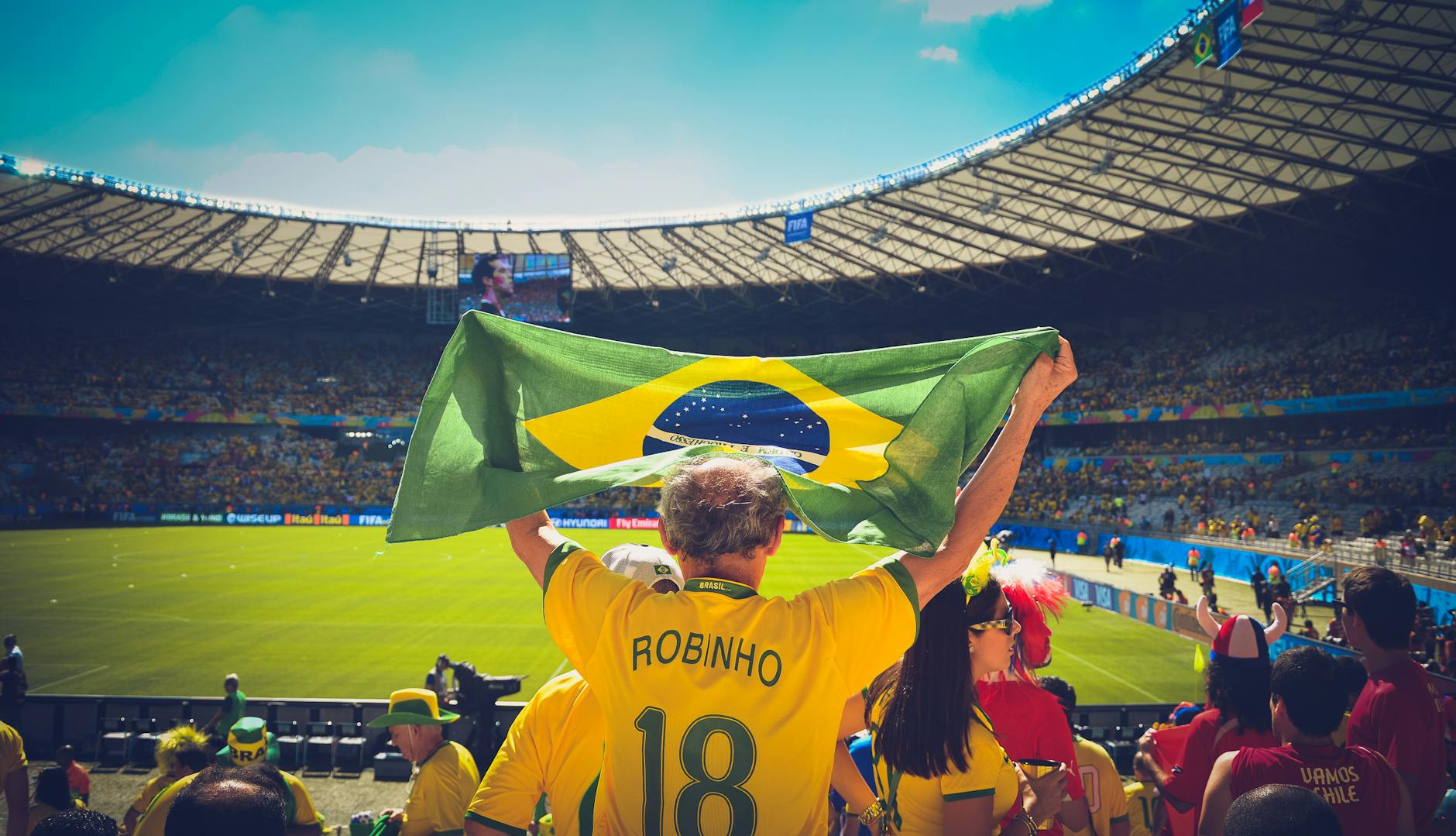
Photo by Caio on Pexels
The 2026 shift
The 2026 shift is defined by expansion from 32 to 48 teams, three host nations, a larger match schedule, and a more complex travel map across Canada, Mexico, and the United States. FIFA’s approved structure gives the tournament a broader global field and creates an additional knockout round before the Round of 16. According to FIFA’s official 2026 announcement, the competition is designed around 48 participating teams and 104 matches. Those numbers are not decorative trivia; they directly affect squad rotation, recovery, preparation time, and the probability that a team must manage multiple game states before reaching the final.
For players and coaches, North America creates practical challenges that earlier tournament discussions often underweight. A squad may cross time zones, adapt to different climates, and move between major metropolitan areas rather than staying within one compact country. Canada, Mexico, and the United States also bring different stadium environments, altitude considerations, transport schedules, and supporter cultures. The host-city model adds another layer: Kansas City’s Fan Festival and public celebrations demonstrate that the World Cup is not confined to the stadium. The official Kansas City site described the festival through the line, “The heart of the game,” a concise description of how public viewing can turn a match into a civic event.
For analysis, the 2026 format creates at least four measurable shifts:
- Larger squad depth becomes more valuable across a longer tournament.
- Travel and recovery become stronger variables in late-match performance.
- Group-stage caution may change because more teams can reach the knockout phase.
- Market prices may overreact to famous teams while underpricing rotation and fatigue.
Do not assume “more teams” automatically means lower quality. The correct question is how competitive balance changes across groups and whether tactical differences create exploitable mismatches. A technically strong team may struggle against a direct, transition-heavy opponent if its full-backs advance simultaneously. A physically powerful side may lose control when forced to defend long possessions. This is where player roles matter more than reputation: progressive carries, pressures in the final third, aerial duel success, and passes received between the lines can reveal a matchup edge that a star-player headline hides. World Cup tactical analysis guide belongs beside any serious preview because formation labels alone are not analysis.
Get the practical framework for reading 2026 World Cup matchups.
What changed for players?
What changed for players is the balance between opportunity and physical demand: a 48-team World Cup increases access for nations while requiring elite squads to manage more match-specific preparation, longer travel, and potentially heavier rotation. Players are not only competing for selection; they are adapting to changing climates, time zones, tactical opponents, and recovery windows. A substitute who can press for twenty minutes or defend a lead may be more valuable than a famous attacker who cannot repeat high-intensity actions. That is a tactical reality, not a fashionable opinion.
The Kansas City setting illustrates why player context cannot be separated from host-city planning. Six matches created a concentrated local football programme, but teams and supporters still operated inside a continental tournament. Stadium atmosphere can benefit the side that controls emotional tempo, while a hostile environment can increase early errors, especially among inexperienced defenders. However, noise is not a statistical advantage by itself. Analysts should examine home-style support, referee tendencies, set-piece delivery, and whether a team has previously managed high-pressure away fixtures. The Kansas City match-day galleries are useful for understanding atmosphere, but visual excitement must not be mistaken for evidence of a team’s likely result.
A player-focused review should track:
- Minutes played during the previous four to six competitive matches.
- Recovery time between fixtures and travel distance between venues.
- Pressing intensity, sprint actions, and late-game substitution patterns.
- Availability of the primary goalkeeper, centre-backs, and holding midfielder.
- Whether the player’s role changes when the team leads or trails.
Here is an operational tip most generic previews omit: save two versions of your team assessment, one before confirmed lineups and one after them. Before lineups, rate the expected starting XI and bench options; after lineups, adjust only the variables that actually changed. This prevents the common beginner mistake of rewriting an entire opinion because one forward is absent. In my own checking routine, I also compare the official team sheet with the competition’s match centre, because social accounts sometimes publish predicted lineups as if they were confirmed. That simple two-source check catches false injury claims and incorrect formations before they contaminate a prediction.

Photo by Franco Monsalvo on Pexels
The betting implication is equally clear. Player props and match markets can be especially sensitive to minutes, role, and game state, but availability information may already be reflected in the price. Do not treat every late team-news update as an automatic opportunity. Calculate the change in expected involvement first: a winger moved into a central role may receive more shots but fewer crosses, while a defensive midfielder may gain tackles if the opponent dominates possession yet lose passing volume. Responsible operators should also make age and identity verification, payment security, and withdrawal terms clear. If a site hides its licence, demands unexplained fees, or promises guaranteed World Cup wins, leave immediately. Football Compass provides information and analysis; it does not turn uncertainty into certainty.
What does this mean now?
What this means now is that 2026 World Cup football should be analysed as a combined sporting, logistical, and information problem. Kansas City’s six-match role and Fan Festival show how a host city extends the tournament beyond the pitch, while the 48-team format changes qualification routes and squad-management incentives. For fans, the best workflow is to verify the fixture, understand the format, assess the matchup, and then decide whether watching, forecasting, or betting is appropriate. For bettors, no selection should be made without checking the operator’s legal status, market settlement rules, minimum odds conditions, and withdrawal process.
The contrarian conclusion is that format knowledge may be more valuable than another layer of player trivia. Many previews list scorers and rankings but ignore how the Round of 32 changes risk management. A coach with a deep bench can preserve a lead earlier, while a team accustomed to must-win group matches may need to recalibrate its urgency. Likewise, a public festival can increase engagement but does not predict a goal total. The FIFA Fan Festival Kansas City archive documents the atmosphere; it should be read as cultural evidence, not a statistical model.
Use this compact decision model before following any 2026 World Cup football prediction:
- Competition context: group match, Round of 32, knockout round, or final.
- Team state: injuries, suspensions, rotation, fatigue, and goalkeeper status.
- Tactical matchup: press resistance, transition defence, set pieces, and wide overloads.
- Venue conditions: travel, weather, kickoff time, pitch, and supporter distribution.
- Market discipline: implied probability, margin, limits, settlement rules, and account safety.
The strongest practical insight is that uncertainty should be priced, not emotionally denied. If the starting goalkeeper is uncertain, widen your probability range; if two central defenders have played four matches in twelve days, question late-game stability; if a market has moved sharply, investigate the reason before following it. A prediction is not “right” merely because the team wins. It is useful only when the reasoning was transparent, the information was current, and the risk was acceptable. The United States Soccer Federation, FIFA, stadium authorities, and licensed operators each cover different parts of that verification chain, so no single webpage can replace all of them.
Review the latest tournament context and build a safer research habit.
Three predictions for next quarter
The three most defensible predictions for the next quarter are increased demand for verified match information, greater emphasis on squad depth, and more analytical attention on travel and recovery. These are not claims that a particular nation will win; they are forecasts about how the 2026 World Cup football ecosystem will behave as tournament coverage intensifies. The first prediction is that official sources such as FIFA, host-city portals, and national federations will become more valuable as schedules, lineups, and venue information change. The second is that tactical coverage will move beyond starting formations toward substitutions, pressing loads, and role changes.
The third prediction is that Kansas City will continue to use the World Cup legacy as a regional football asset. Its official messaging already presented the event as a connection between sport, food, entertainment, business, and community across two states. That matters because host-city value is not measured only by match attendance. Public viewing, local tourism, youth participation, media exposure, and relationships between clubs and supporters can continue after the final whistle. FIFA’s tournament identity may be global, but the lived experience is always local. Kansas City’s “Soccer Capital of America” positioning gives the city a platform to build on, provided the legacy is supported by facilities and grassroots access rather than slogans alone.
My practical forecasts are:
- More lineup-driven analysis: confirmed team sheets will move player markets and tactical projections faster than broad rankings.
- More scrutiny of travel: recovery days, time zones, and climate adaptation will appear more frequently in serious previews.
- More demand for fraud checks: major tournaments attract fake ticket pages, misleading betting promotions, and copied schedules.
The third prediction deserves the strongest warning. Scam operators thrive when fans are excited, rushed, and afraid of missing out. Check the domain spelling, use secure payment methods, read withdrawal conditions before depositing, and never pay an “unlock” fee to release winnings. If an offer promises a guaranteed return from a football result, it is not a sophisticated edge; it is a red flag. I was burned once, and I will not let you repeat the mistake while pretending the warning was unclear. Football Compass can help with predictions, team tactics, player statistics, and tournament coverage, but disciplined verification remains your responsibility.

Photo by Beyza Kaplan on Pexels
Kansas City’s six-match FIFA World Cup 2026 role offers a useful case study in how modern football tournaments work: elite competition, regional logistics, public celebration, and constant information checking. The move to 48 teams and 104 matches makes old assumptions less reliable, while the North American setting elevates squad depth, travel, and recovery. Follow official sources, assess confirmed lineups, compare tactical evidence, and treat every betting platform as untrusted until its credentials and rules are verified. That is the difference between following a tournament intelligently and being pulled around by noise, believe it or not — I do.
Ready to follow the 2026 World Cup with sharper analysis?
2026 World Cup match predictions
player statistics and performance trends
responsible football betting checklist
Frequently Asked Questions
Q: What is 2026 World Cup football?
A: 2026 World Cup football is the men’s FIFA World Cup hosted by Canada, Mexico, and the United States, featuring 48 teams and 104 matches. It is the first edition expanded beyond the traditional 32-team format, creating an additional knockout stage and a broader international field. The tournament combines stadium matches with fan events and public celebrations across North America.
Q: How do I start analysing a 2026 World Cup match?
A: Start by confirming the official fixture, competition stage, venue, kickoff time, and probable lineups. Then compare recent competitive performances, expected goals, defensive transitions, set pieces, injuries, rest days, and travel conditions. After confirmed team sheets are released, update only the affected roles and minutes rather than abandoning your entire original analysis.
Q: What is the difference between the old 32-team World Cup and the 2026 format?
A: The old format used 32 teams and moved 16 group-stage qualifiers into the Round of 16, while 2026 includes 48 teams and 104 total matches. The larger tournament adds a Round of 32 and changes qualification probabilities, rotation needs, and schedule interpretation. Historical statistics remain useful, but they must be adjusted for the different competition structure.
Q: Is Kansas City important to the 2026 World Cup?
A: Yes, Kansas City is important because it hosted six FIFA World Cup 2026 matches and operated a FIFA Fan Festival for supporters without stadium tickets. Its role demonstrates how a host city can combine football, hospitality, culture, entertainment, and regional identity. Kansas City’s impact should therefore be measured through public participation and legacy activity as well as match attendance.
Q: What should I do if a World Cup betting website asks for an extra withdrawal fee?
A: Do not pay an unexplained withdrawal or account-unlock fee, and pause all further activity immediately. Save screenshots, check the operator’s licensing information with the relevant regulator, contact your payment provider, and report suspected fraud through official channels. A legitimate platform should publish clear deposit, withdrawal, verification, and dispute terms before you place a wager.
Q: How much does it cost to follow 2026 World Cup football?
A: Following 2026 World Cup football can cost nothing if you use official news, public information, and free match coverage available in your market, while tickets, travel, hospitality, and paid subscriptions add separate costs. Budget for accommodation and transport well before travelling to Canada, Mexico, or the United States. For betting, set a fixed entertainment budget and never use borrowed money or funds needed for essentials.
Q: Why do confirmed lineups matter for World Cup predictions?
A: Confirmed lineups matter because a player’s position, minutes, and tactical responsibility directly affect shots, assists, tackles, pressing, and team balance. A missing goalkeeper or holding midfielder can change defensive probability more than a small difference in recent form. Check the official team sheet and FIFA match information before finalising any prediction, especially for player-specific markets.