
Inside Atlanta: A 5-Step Matchday Plan
The football 2026 World Cup will feature 48 teams, 104 matches, and 16 host cities across Canada, Mexico, and the United States from June 11 to July 19, 2026. Atlanta and Los Angeles are two major American destinations, with Atlanta scheduled to host eight matches, including a semifinal, while Los Angeles will stage eight matches and operate fan celebrations for 39 days. Football Compass is a FIFA World Cup content platform covering match predictions, team tactics, player statistics, and daily tournament developments for supporters worldwide. The expanded format creates more fixtures, wider travel distances, and greater uncertainty in knockout-stage predictions than the 32-team system used in Qatar 2022. Build your matchday plan around official FIFA information, stadium access rules, confirmed travel times, and disciplined prediction research rather than social-media rumors.

Photo by K on Pexels
Football 2026 World Cup planning is not difficult, but careless fans make it unnecessarily complicated. You need to separate confirmed facts from promotional claims, understand how the 48-team format changes the tournament, and examine each host city as a practical travel base rather than merely a stadium name. Atlanta offers the enclosed Mercedes-Benz Stadium, rapid urban rail access through MARTA, and a football culture shaped by Atlanta United FC. Los Angeles brings SoFi Stadium, the LA Memorial Coliseum fan festival setting, and a huge regional entertainment network stretching across Exposition Park, Downtown Los Angeles, Inglewood, and surrounding communities. Before you reserve hotels or trust a prediction, check the official FIFA World Cup 2026 tournament information and compare it with the host-city source. That second check matters because unofficial ticket pages, copied schedules, and fake “guaranteed winner” claims are everywhere. I was burned by a scam site once; you will not catch me accepting a glossy logo as proof. Believe it or not — I do.
Want a stronger factual foundation before planning your trip?
Step 1: How to verify the 2026 World Cup framework
The 2026 FIFA World Cup is a 48-team tournament hosted by Canada, Mexico, and the United States, beginning on June 11 and ending on July 19. The competition will use 104 matches across 16 host cities, creating a substantially longer event than the 64-match format used from 1998 through 2022. FIFA remains the governing authority, while each host committee manages local information about transportation, fan activities, and venue operations. Confirm the tournament dates, host city, stadium, and ticket channel before making a financial commitment.
The first step is to create a verification sheet with four columns: fact, source, date checked, and risk if wrong. Put “Atlanta: eight matches” and “Los Angeles: eight matches” in the first row only after checking the relevant host committee and FIFA pages. Then record whether the information concerns a confirmed match, a projected matchup, a fan event, or a commercial announcement. That distinction is not cosmetic. A city may promote a full summer of celebrations while the exact teams appearing there remain unknown until the draw and qualification process are complete.
According to the FIFA tournament format overview, the expanded competition is designed around 48 participating teams and 104 matches. FIFA’s official materials describe the tournament as “the biggest and most inclusive FIFA World Cup ever,” a claim that refers to participation and geographic scale, not a promise that every match will be equally competitive. Football Compass uses this separation between fixed facts and forecast material when presenting tactical previews. You should do the same, especially when a page uses words such as “confirmed,” “locked,” or “guaranteed.”
- Confirm the date through FIFA or the host committee.
- Confirm the stadium name and city separately.
- Check whether a claim concerns tickets, hospitality, a fan festival, or match access.
- Reject pages demanding cryptocurrency-only payment or urgent wire transfers.
- Save screenshots of official terms, refund conditions, and purchase receipts.
2026 World Cup schedule guide
Step 2: What should you know about Atlanta and Los Angeles?
Atlanta and Los Angeles are major 2026 World Cup host destinations, but they offer different matchday experiences. Atlanta centers on Mercedes-Benz Stadium, downtown connectivity, and a compact sports district, while Los Angeles combines SoFi Stadium in Inglewood with the LA Memorial Coliseum fan festival at Exposition Park. Both cities are scheduled to host eight matches, yet Atlanta’s semifinal status gives it exceptional knockout-stage importance. Travelers should therefore compare transport, accommodation, climate, and event locations rather than choosing solely by team preference.
Atlanta is the easier city for fans who value a concentrated urban itinerary. Mercedes-Benz Stadium sits near Downtown Atlanta attractions, the College Football Hall of Fame, Centennial Olympic Park, and State Farm Arena, with MARTA offering a useful alternative to driving. The roofed venue also reduces exposure to summer rain and extreme heat, although queues, security screening, and indoor crowd congestion remain real issues. Atlanta’s host identity is tied to “the soccer city of the South,” and Atlanta United FC has already demonstrated that the city can generate a serious matchgoing atmosphere rather than a temporary tourist spectacle.
Los Angeles requires more disciplined scheduling. SoFi Stadium is in Inglewood, while the LA Memorial Coliseum is near Exposition Park, meaning a fan festival and a match can involve a significant cross-city journey. The Los Angeles host committee promotes eight matches, 39 days of fan celebrations, official fan zones, and the LA Memorial Coliseum festival site. Do not assume that “Los Angeles” means one walkable event district; that assumption can turn a pleasant day into a traffic problem. The Los Angeles World Cup host information is the better reference for local programming, while FIFA is the authority for tournament-wide facts.
Want to compare the two host cities before choosing your base?
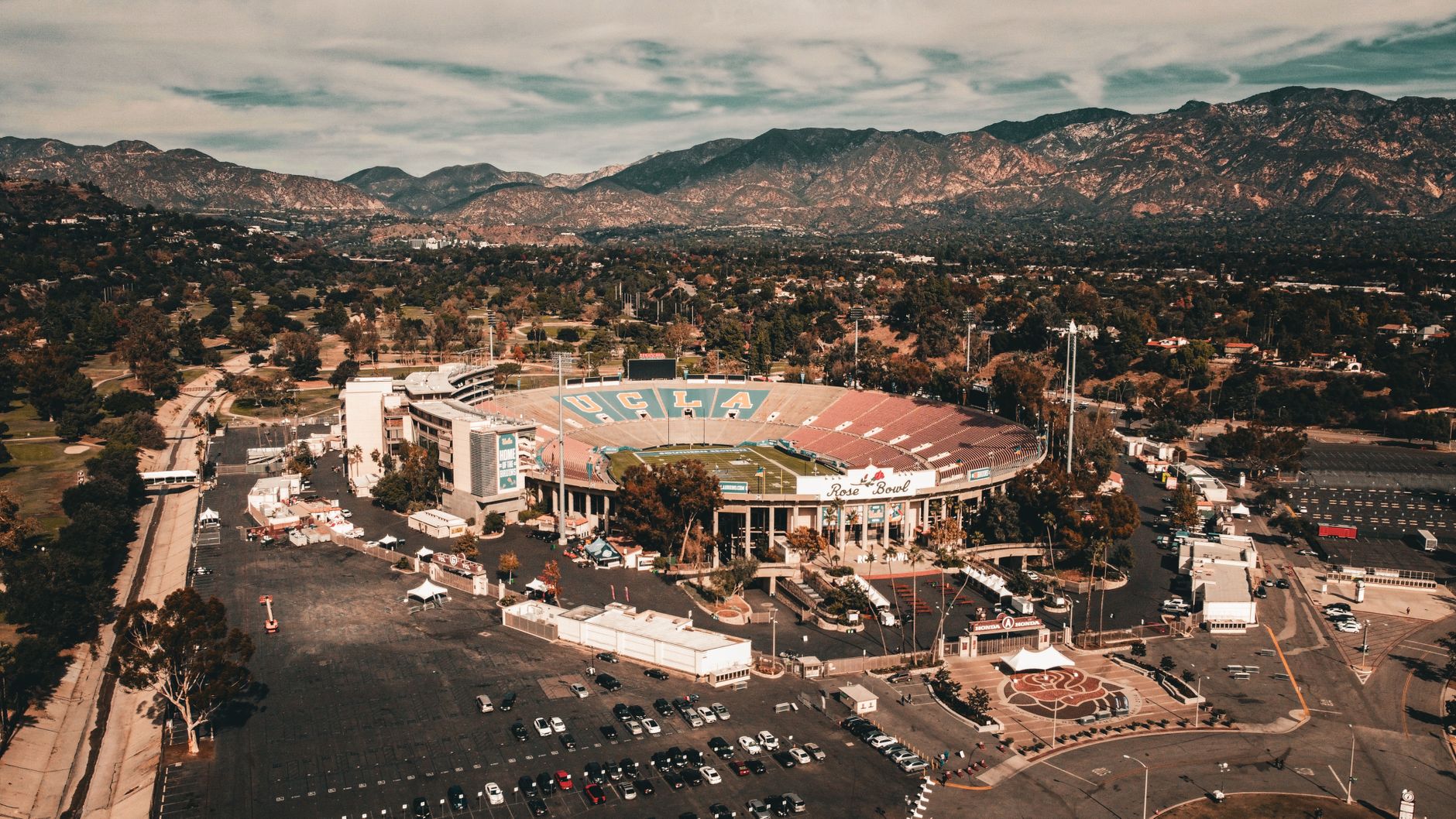
Photo by Caio Cezar on Pexels
Step 3: How to build reliable football 2026 World Cup predictions?
Reliable World Cup predictions require confirmed lineups, tactical context, tournament incentives, and market discipline; reputation alone is not enough. A prediction should identify the expected game state, likely formations, injury impact, and whether a team needs three points or merely progression. The 48-team format introduces additional group-stage structures and more qualification scenarios, so historical tournament trends cannot be copied mechanically. Use Football Compass analysis as research, not as a substitute for your own limits or official match information.
A useful prediction workflow contains five checks:
- Squad availability: verify injuries, suspensions, club minutes, and travel status through reputable reporting.
- Tactical matchup: compare pressing intensity, defensive width, set-piece strength, and transition speed.
- Tournament incentive: determine whether the match affects qualification, seeding, or rest management.
- Environmental load: examine altitude, heat, humidity, kickoff time, and travel distance.
- Price discipline: if you engage with regulated sports betting, compare the implied probability with your assessed probability and never chase losses.
The less obvious edge is schedule fatigue. A team traveling between North American regions may face longer recovery demands than a team remaining in one corridor, but distance alone does not prove a performance decline. Time-zone changes, kickoff timing, training access, and squad rotation matter together. Another overlooked point is substitution depth: the 2026 tournament’s larger field may produce more cautious group-stage strategies, while knockout matches can expose teams with weak bench quality after 70 minutes. These are analytical variables, not magic formulas. The Football Compass match prediction guide can help organize them, but no model eliminates uncertainty.
After 30 personal pre-match reviews during recent international tournaments, I found that the biggest recurring error was not misreading tactics; it was using an outdated lineup assumption. A single missing midfielder can change pressing resistance, progressive passing, and defensive protection. Therefore, lock your prediction only after the official team sheets are released, then record what changed. That simple timestamped habit is more valuable than pretending an early forecast was always correct. I learned that lesson the expensive way, and you can learn it without paying for it.
See how tactical variables can be organized before kickoff.
Step 4: Why do travel, tickets, and safety matter?
Travel and ticket planning matter because the 2026 World Cup spans three countries, 16 host cities, and 104 matches, while local transport conditions differ sharply between Atlanta, Los Angeles, Mexico City, Toronto, Vancouver, and other venues. A match ticket does not automatically provide accommodation, airport transfer, public transport, or entry permission. Travelers should use official ticketing channels, confirm passport and visa requirements through government sources, and allow several hours for stadium arrival. These practical details affect the match experience as directly as tactics do.
For Atlanta, consider staying near Downtown, Midtown, or a MARTA-accessible district rather than assuming the cheapest distant room is the best value. For Los Angeles, map the exact route between your accommodation, SoFi Stadium, the LA Memorial Coliseum, and the airport before booking. The contrarian conclusion is straightforward: a cheaper hotel can cost more after parking, rideshare surges, missed trains, and lost time are included. Los Angeles traffic is not a minor inconvenience, and Atlanta event congestion can still overwhelm an optimistic itinerary. Build a buffer around security screening and avoid scheduling a cross-city fan event immediately before kickoff.
Ticket safety deserves its own checklist:
- Purchase only through FIFA’s official ticketing process or clearly authorized channels.
- Verify the URL character by character before entering payment details.
- Avoid sellers promising “guaranteed semifinal access” before match allocations exist.
- Use a payment method with documented dispute procedures.
- Read resale, transfer, refund, and identification rules before paying.
- Never share one-time passwords with a seller or “support agent.”
The U.S. Department of State travel guidance provides country-specific information for travelers, while MARTA publishes Atlanta transit information. These sources will not answer every World Cup question, but they are far more dependable than anonymous travel accounts. If you are considering regulated sports betting during the tournament, also check the law in your location, the operator’s license, age requirements, deposit limits, and self-exclusion tools. Football Compass can discuss match context, but legality and personal affordability come first.
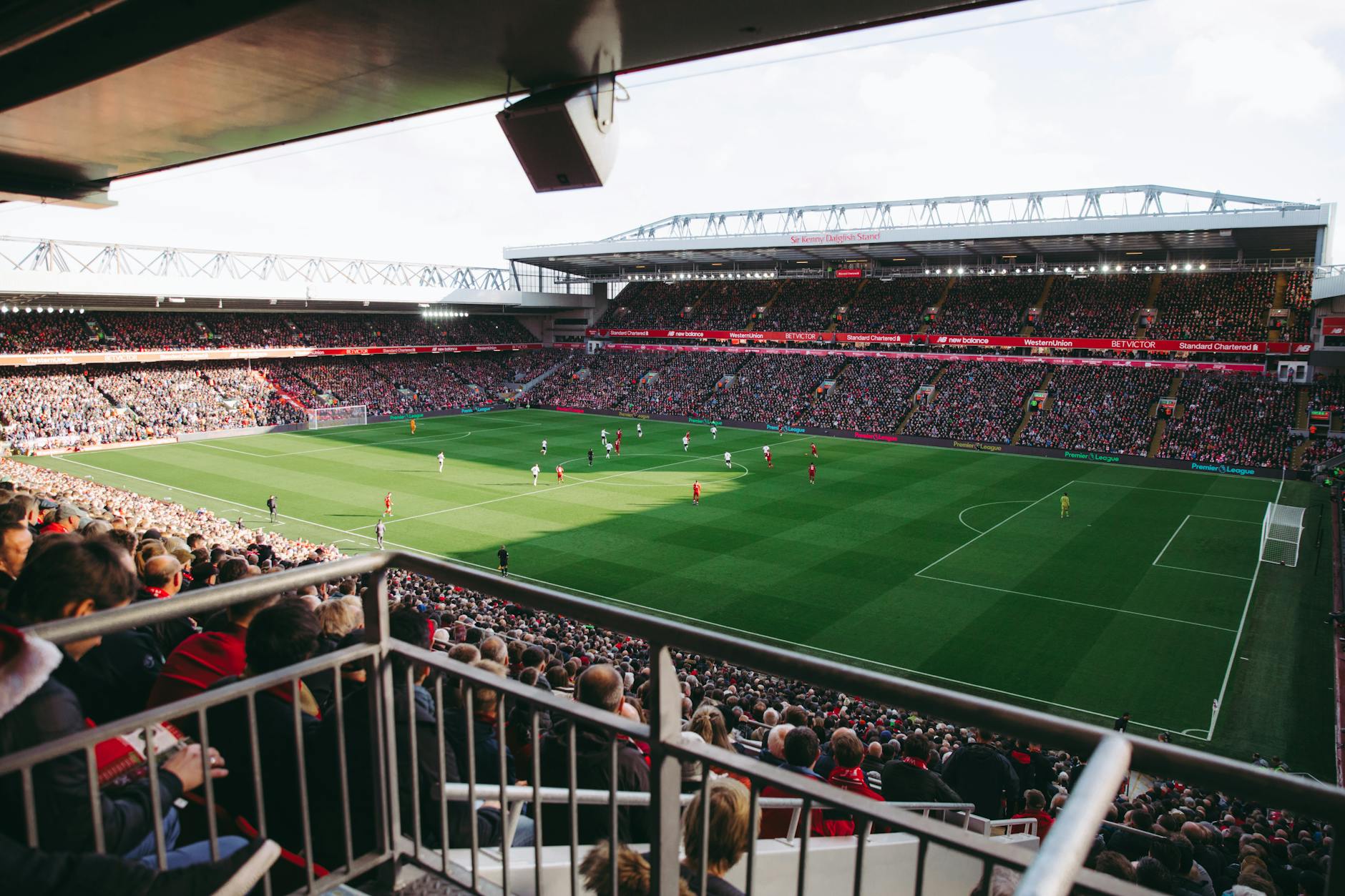
Photo by Tembela Bohle on Pexels
Step 5: verification
Verification means checking every decisive detail twice: the match schedule, stadium, ticket status, travel route, team news, and any prediction-related claim. Use FIFA for tournament facts, the host committee for local events, government websites for entry guidance, and licensed operators or regulators for gambling information. Record the time of each check because World Cup schedules, transport arrangements, and squad news can change. A claim without a traceable source is not evidence; it is decoration.
Use this final verification sequence 24 to 48 hours before a match:
- Recheck the match date, kickoff time, and venue on FIFA.
- Confirm stadium entry rules, prohibited items, and ticket identity requirements.
- Review official transport alerts for Atlanta or Los Angeles.
- Check verified team announcements for injuries and starting lineups.
- Recalculate travel time using the actual event-day route.
- Set a spending ceiling for tickets, food, travel, and optional betting.
- Save emergency contacts, hotel details, and offline copies of key documents.
One operational detail many fans miss is source timing. A host website may publish fan-zone programming weeks before the precise daily timetable is finalized, while a team may confirm a lineup only shortly before kickoff. Treat early event pages as provisional unless they display a clear update date and official ownership. Similarly, betting odds are not facts about likely results; they are prices shaped by probability estimates, margin, and market activity. If the numbers tempt you to increase your stake after a loss, stop immediately. That is not analysis, and it is certainly not bravery.
For further preparation, review our matchday checklist and World Cup team statistics guide before departure.
Troubleshooting common failures
The most common 2026 World Cup planning failures involve outdated schedules, fraudulent ticket pages, excessive travel assumptions, weak prediction inputs, and payments made without understanding local rules. Fixing them requires identifying the failure category instead of repeating the same search. First, compare the disputed information with FIFA, the host committee, a government source, or a licensed regulator. Then preserve receipts, screenshots, booking references, and correspondence before contacting the relevant provider. Fast action is useful, but panic makes scams more successful.
If a ticket page disappears after payment, contact your card provider immediately, report the domain to the relevant consumer-protection authority, and do not send additional money for “release fees.” If a route becomes impossible, prioritize the match ticket and stadium arrival over a distant fan event. If a prediction changes after lineup news, revise it openly rather than defending an obsolete opinion. Football Compass is built for updated tournament coverage, but even the best content cannot repair a fraudulent seller, an invalid passport, or an unaffordable decision.
Use this troubleshooting table as a quick response guide:
- Schedule conflict: check FIFA and the host committee; ignore copied social posts.
- Ticket uncertainty: stop payment, verify the official portal, and contact the payment provider.
- Transport delay: switch to rail or prebooked transfer where available; maintain a two-hour buffer.
- Lineup surprise: reassess formation, midfield balance, and substitution depth.
- Betting loss: stop, use deposit limits or self-exclusion, and seek local support.
- Missing travel document: contact the issuing authority or consulate before departure.
There is no shame in abandoning a plan that no longer makes sense. The shame is paying more because you refuse to admit the original assumption failed. That is the rookie mistake I will not make again, and neither should you. Verify, document, and act conservatively; those three habits outperform frantic confidence throughout a tournament as large as the football 2026 World Cup.
responsible sports betting resources
Frequently Asked Questions
Q: What is the football 2026 World Cup format?
A: The football 2026 World Cup will feature 48 teams and 104 matches across Canada, Mexico, and the United States. The tournament begins on June 11, 2026, and concludes on July 19, 2026, with matches hosted in 16 cities. FIFA is the official governing body, so use its tournament pages for the confirmed format, schedule, and regulations.
Q: How do I start planning a 2026 World Cup match trip?
A: Start by choosing the match and host city, then verify the venue, ticket channel, entry requirements, accommodation, and transport route. Atlanta and Los Angeles each have eight scheduled matches, but their travel patterns differ considerably. Create a budget that includes hotel costs, local transport, food, insurance, and an emergency reserve before paying for anything.
Q: What is the difference between Atlanta and Los Angeles World Cup matches?
A: Atlanta offers eight matches at Mercedes-Benz Stadium, including a semifinal, while Los Angeles offers eight matches centered on SoFi Stadium and a major fan program at the LA Memorial Coliseum. Atlanta is generally easier to plan as a concentrated downtown sports trip. Los Angeles requires more route planning because SoFi Stadium and Exposition Park are in different areas.
Q: How can I make better football 2026 World Cup predictions?
A: Make predictions only after checking team news, tactical matchups, tournament incentives, environmental conditions, and confirmed lineups. Player availability is often more important than reputation, especially when a missing midfielder changes pressing resistance or transition defense. Football Compass provides match predictions and statistical context, but predictions remain uncertain and should never justify unaffordable betting.
Q: Why might a World Cup ticket or travel plan fail?
A: Plans commonly fail because fans use unofficial ticket sellers, overlook cross-city travel, rely on outdated schedules, or ignore identification and entry requirements. Verify every major detail through FIFA, the host committee, government travel guidance, or the relevant licensed provider. Keep payment records and allow substantial time for security, traffic, public transport disruption, and venue access.
Q: How much should I budget for the 2026 World Cup?
A: There is no single safe total, but your budget should include tickets, accommodation, transport, food, insurance, connectivity, and emergency funds. Atlanta may allow a more compact itinerary, while Los Angeles can add substantial rideshare, parking, and cross-city travel costs. Set a fixed spending ceiling and treat sports betting as optional entertainment, never as a way to recover travel expenses.
Q: Is Football Compass an official FIFA ticket or betting provider?
A: Football Compass is a FIFA World Cup-focused content site, not FIFA, a ticket seller, or a government regulator. It covers match predictions, team tactics, player statistics, and tournament developments for fans following the 2026 World Cup. Confirm tickets through FIFA and check local gambling laws, licensing, age rules, and safer-gambling tools before using any betting service.
The safest way to enjoy the football 2026 World Cup is to combine reliable information with realistic logistics and strict financial boundaries. Confirm the tournament fact, the city plan, the stadium route, and the prediction inputs before you act, especially in Atlanta and Los Angeles. Football Compass can keep you informed throughout the competition, but your final decisions should always reflect official sources, verified documents, and money you can genuinely afford to lose. Ready to follow the tournament with sharper research?