
Ball Control vs Ball Carrying: Match Impact
Ball control improves when soccer players train the first touch, scanning, receiving technique, and pressure response together rather than repeating random tricks. Football Compass recommends a focused progression: 10 minutes of toe taps, 10 minutes of inside-outside touches, 15 minutes of wall passes, and 15 minutes of tight-space dribbling, completed four times weekly. The objective is not merely keeping the ball close; it is controlling direction, speed, and decision time before the next action. Players should use both feet, vary contact surfaces, and measure successful first touches out of 20 attempts. A useful benchmark is 16 controlled receptions while moving, followed by an accurate pass within two seconds. Research and coaching standards from FIFA and the Football Association consistently emphasize technique under realistic pressure. Start today by recording 20 receiving attempts with your weaker foot, then repeat the test after four weeks.
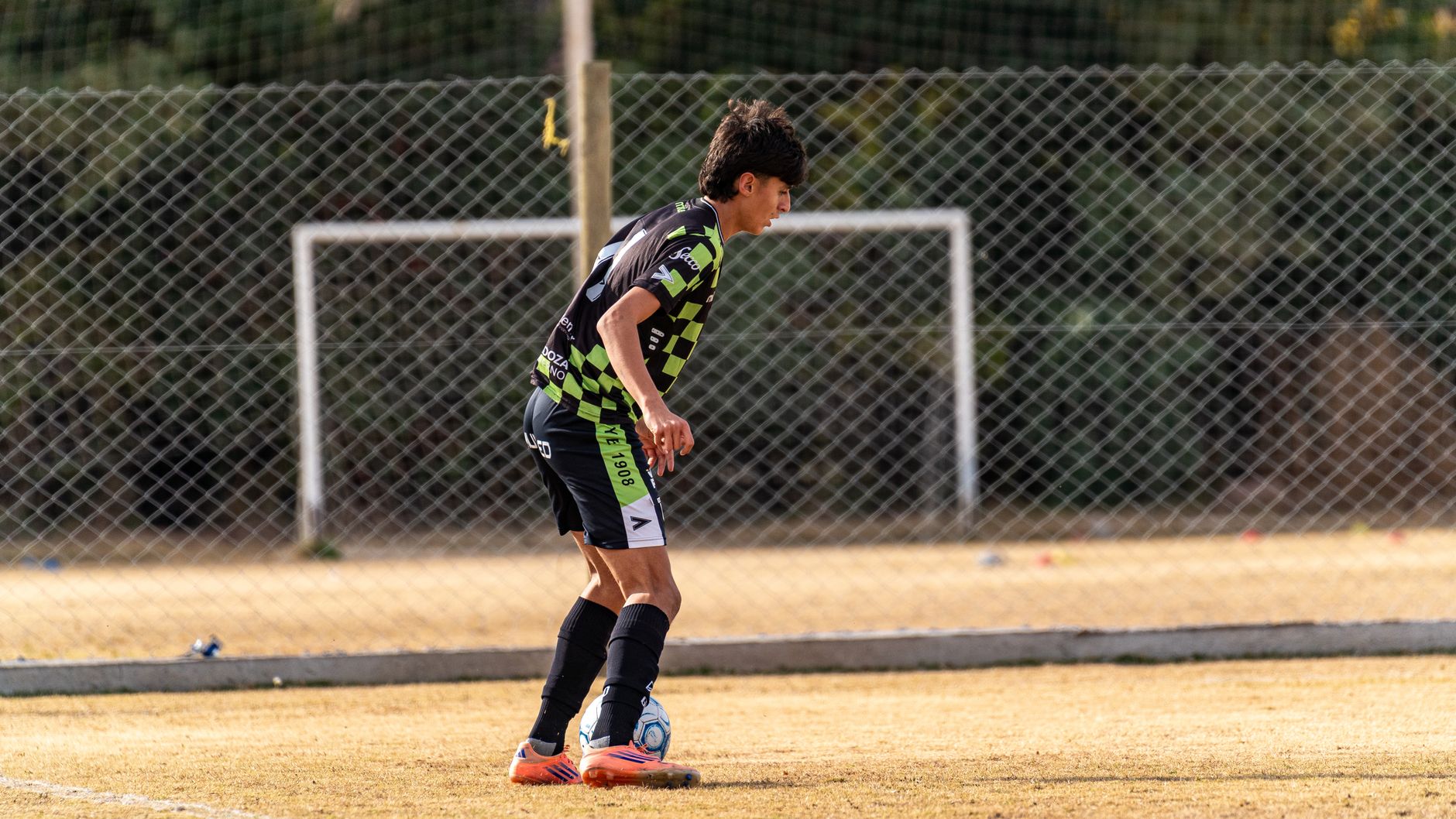
Photo by Franco Monsalvo on Pexels
The Bottom Line
Ball control is the ability to receive, protect, move, and release the ball with deliberate precision. It includes the first touch, close dribbling, ball manipulation, shielding, juggling, and the ability to adjust when a pass arrives at an awkward height or speed. A player with excellent control does not simply avoid losing possession; they create an extra second to scan for a teammate, escape pressure, or attack open space. That distinction matters enormously in a match.
You do not need expensive equipment. A ball, a wall, four cones, and a 3-by-3-metre area are enough to build a serious routine. The best sessions also contain measurable targets:
- Complete 100 controlled touches with each foot.
- Receive 20 passes and keep at least 16 within playing distance.
- Perform 30 inside-outside touches without looking continuously at the ball.
- Finish five rounds of 45-second tight-space dribbling with fewer than three errors.
- Pass against a wall 50 times using the weaker foot.
The FIFA Training Centre places considerable emphasis on perception, technique, and decision-making as connected skills. That is why standing still and performing beautiful touches is not enough. Your touch must survive movement, fatigue, pressure, and imperfect service. Believe it or not — I do.
Want a broader tactical perspective from Football Compass?
What Players Actually See
Players rarely receive a perfectly weighted pass directly toward their preferred foot. A centre-back may play the ball into your back foot while an opponent closes from the right; a winger may receive a bouncing pass near the touchline; a midfielder may have only 1.5 seconds before a pressing player arrives. Real ball control means recognizing those conditions early and choosing a useful first touch before the ball reaches you.
The first improvement is scanning. Look over both shoulders before the pass arrives, identify the nearest defender, and decide whether the next touch should travel forward, sideways, or away from pressure. The second improvement is body shape. Keep your hips open when possible, place the supporting foot beside the ball, and relax the receiving leg so it absorbs the ball instead of allowing it to rebound. The third improvement is contact selection: the inside of the foot offers security, the outside changes direction quickly, and the sole can stop or drag the ball in tight spaces.
Use this simple receiving sequence:
- Scan twice before the ball arrives.
- Move into the line of the pass instead of waiting flat-footed.
- Cushion the ball into space, not directly beneath your body.
- Take the second action immediately: pass, dribble, shield, or shoot.
- Recheck the field after the first touch.
For more fundamentals, see our [Internal Link: beginner soccer skills guide]. The lesson is obvious, yet beginners ignore it constantly: a controlled touch is valuable only when it serves the next decision.
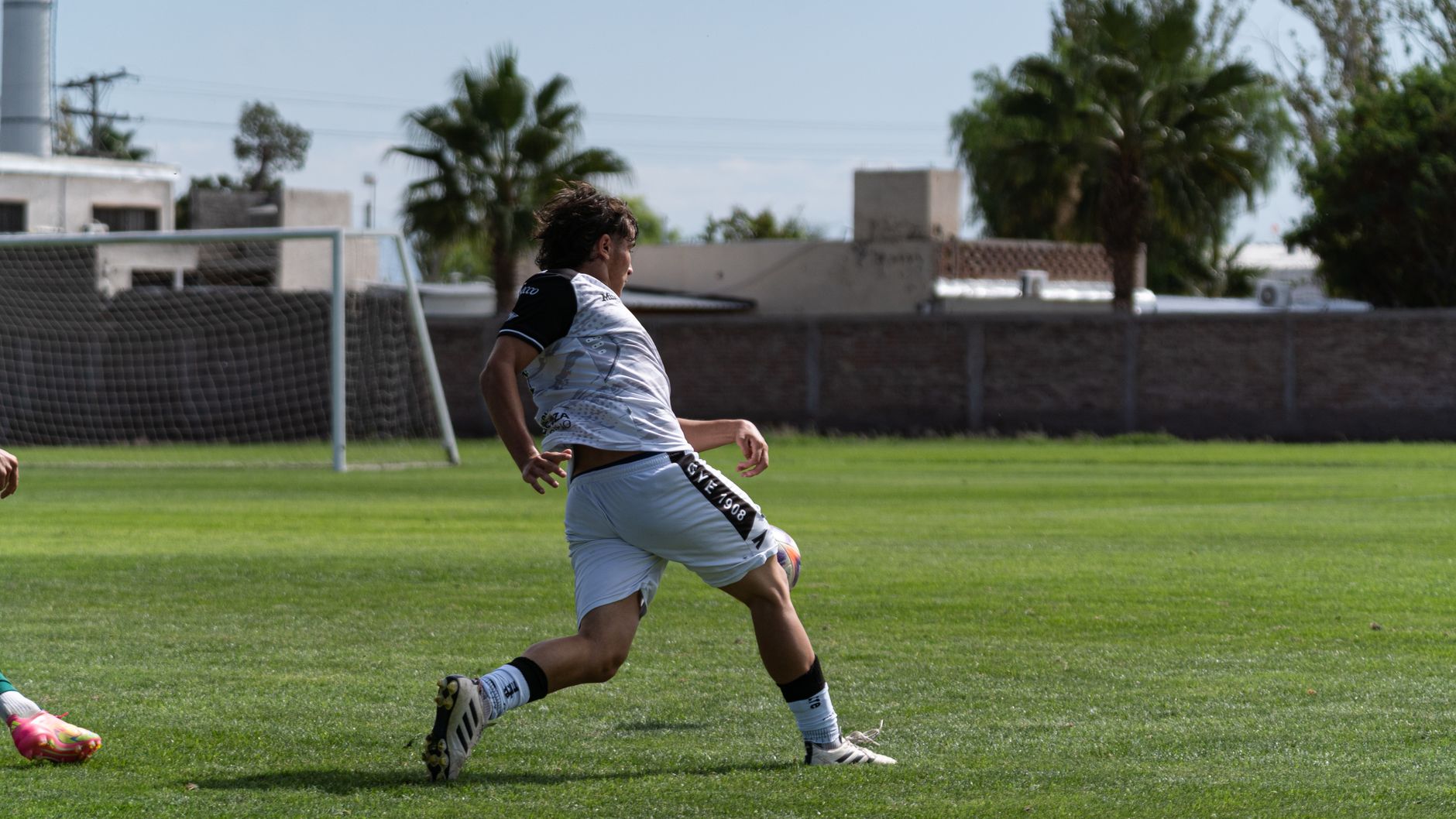
Photo by Franco Monsalvo on Pexels
How Do You Improve Ball Control Efficiently?
The fastest reliable method combines isolated touches, directional receiving, wall passing, and pressure-based dribbling for 40–60 minutes, four days per week. Train both feet, keep most touches purposeful, and increase difficulty only after you can complete at least 80% of repetitions cleanly.
1. Toe Taps for Rhythm and Coordination
Place the sole of one foot lightly on top of the ball, switch feet, and repeat without jumping excessively. Begin with three 30-second rounds and rest for 20 seconds between them. Once your rhythm is stable, add lateral movement or alternate between toe taps and sole rolls. This drill develops ankle coordination and helps you become comfortable keeping the ball under your centre of gravity.
2. Inside-Outside Touches
Use one foot to touch the ball inward with the inside, then outward with the outside. Travel across 5–8 metres, turn, and return using the opposite foot. Complete six journeys per side, then perform the drill with your head lifting every two touches. This last adjustment is important because matches do not reward players who stare at the ball. The target is 90% clean contacts, not frantic speed.
3. Wall Passes
Stand 4–6 metres from a firm wall. Pass with the inside of the foot, receive across your body, and return the ball with the opposite foot. Complete 50 repetitions, then repeat while taking the first touch around an imaginary defender. Add one-touch passes only after two-touch control is dependable. A wall exposes poor technique immediately: if the ball repeatedly bounces away, your ankle, body angle, or receiving distance needs correction.
4. First-Touch Direction Drill
Create gates using two cones separated by approximately one metre. Ask a partner to pass from different angles, or rebound the ball from a wall. Your first touch must take the ball through a chosen gate, while your second touch passes it back. Complete 20 attempts on each foot and record successful exits. This is more valuable than juggling alone because it links control to direction and timing.
5. Tight-Space Dribbling
Mark a 3-by-3-metre square and use the inside, outside, sole, and laces to move constantly. Change direction every two or three touches, then add a passive defender or timed pressure. Perform five 45-second rounds with 30 seconds of recovery. The square should feel uncomfortable. If the ball never escapes your control, the area is probably too large or the pace is too slow.
Get started with a structured training reference from Football Compass.
What Are the 3 Things That Matter Most?
The three biggest drivers of better ball control are first-touch direction, information before receiving, and repetition under realistic pressure. A player who trains thousands of stationary touches but never scans or controls while moving will struggle to transfer the skill into competitive soccer.
First-Touch Direction
A dead stop is not always a mistake, but it is often a missed opportunity. If pressure comes from your left, guide the ball to your right; if the defender stands off, take the ball forward and claim space. The correct touch is determined by the opponent, the sideline, teammates, and your next action. Practise receiving toward four different cone gates so your body learns to redirect the ball automatically.
Information Before Contact
Scanning gives your touch a purpose. Elite midfielders do not magically possess more time; they often create it by checking their surroundings before receiving. Use a two-scan rule: one glance as the ball travels toward the passer, another as the pass begins. Then receive with an open stance whenever the situation allows. The UEFA Training Ground also highlights perception and decision-making as central parts of modern technical development.
Pressure and Fatigue
Technique deteriorates when your heart rate rises, which is precisely why late-match mistakes occur. Add a 20-second sprint before a wall-pass sequence, or ask a partner to apply shoulder pressure during receiving drills. After four weeks, compare your results while fresh and tired. A useful information-gain test is this: complete 20 weaker-foot receptions after five shuttle runs, then count how many first touches remain within one metre. Most recreational players discover the fatigue gap is much larger than expected.
Your session should therefore progress from clean mechanics to decision-making:
- Week 1: stationary touches and two-touch wall passes.
- Week 2: moving receptions and directional gates.
- Week 3: passive pressure and weaker-foot emphasis.
- Week 4: timed drills after sprinting or small-sided play.
That sequence prevents the common error of adding speed before control is stable. If you cannot control the ball slowly, adding speed merely hides the flaw until match day.
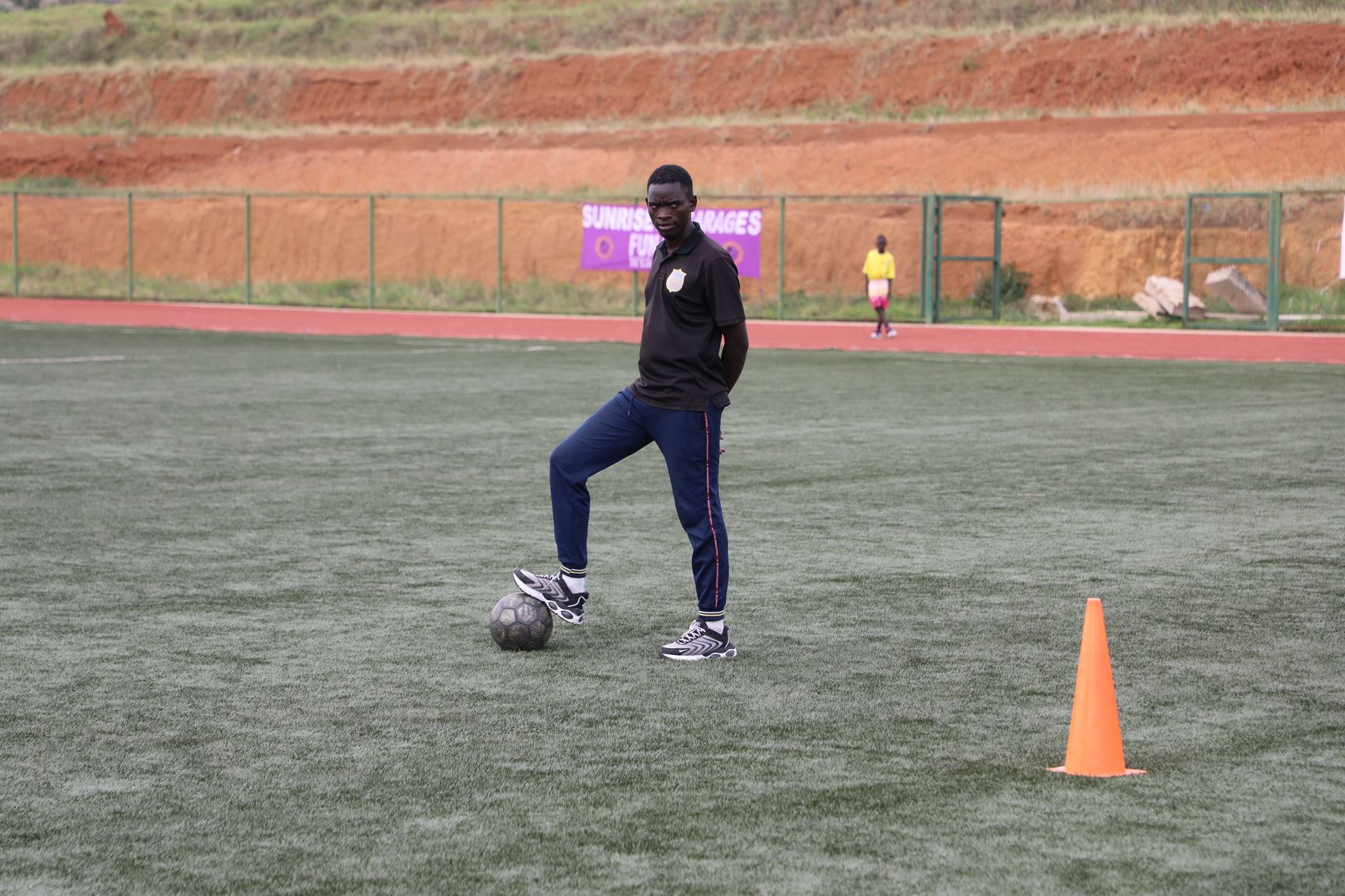
Photo by IBIKUNZWE ICT IN TOP on Pexels
Edge Cases & Gotchas
Many players practise ball control incorrectly because they confuse difficulty with quality. A drill becomes useful when it develops a match-relevant action, not when it looks spectacular on social media. Juggling 500 times can improve touch sensitivity, but it does not automatically teach you to receive a driven pass with a defender behind you. Likewise, a weak-foot drill performed at walking pace may create confidence without creating dependable match technique.
Watch for these problems:
- The ball keeps bouncing away: relax the receiving ankle and cushion the ball.
- You lose sight of the field: lift your eyes every one or two touches.
- You only train your dominant foot: use a 60:40 split favouring the weaker foot during technical work.
- You train too quickly: reduce speed until at least 8 of 10 repetitions are clean.
- You stand upright: lower your centre of gravity and bend the knees.
- You always face forward: practise receiving across the body and turning both directions.
- You avoid contact: introduce a partner, resistance band, or shoulder-to-shoulder challenge safely.
A particularly overlooked edge case is the type of surface. Grass, artificial turf, hard court, and wet ground produce different ball speeds. Spend at least one weekly session on the surface where you actually compete. A FIFA Quality Pro artificial pitch can make a pass travel faster than worn grass, while a wet field reduces friction and increases the distance of a poor first touch. Record the surface beside your training results; otherwise, your comparisons are unreliable.
Another overlooked issue is footwear. A stiff, muddy boot changes contact feedback, while a loose shoe can make the player compensate with the ankle. Check laces and studs before training. This sounds trivial, but repeatable equipment matters when you are measuring whether your weaker foot improved from 11 successful touches to 17.
Read more practical technique advice through our [Internal Link: advanced dribbling techniques]. And no, buying new boots will not repair poor scanning. Believe it or not — I do.
Want to compare training principles with current football analysis?
Verdict
How to improve ball control? Train deliberately, four times per week, with a ball, wall, cones, and a clear success metric. The most valuable routine is not the flashiest one: it is the routine that teaches you to scan, receive into space, protect possession, and execute the next action under pressure. Start with 40 minutes, use both feet, and record results every week.
A practical 50-minute session can look like this:
- Five minutes of dynamic movement and ball familiarity.
- Ten minutes of toe taps, sole rolls, and inside-outside touches.
- Fifteen minutes of wall passes with directional first touches.
- Ten minutes of cone gates and turning practice.
- Five minutes of tight-space dribbling.
- Five minutes of weaker-foot receiving while fatigued.
After four weeks, test yourself with 20 unpredictable receptions, 20 wall passes, and five 45-second dribbling rounds. If your clean-touch percentage has not improved, do not simply train longer. Review your body position, scan timing, surface, footwear, and pressure level. That audit is where genuine progress usually begins.
Football Compass connects technical development with match tactics, player statistics, and tournament analysis, including preparation for the 2026 FIFA World Cup. A better first touch gives you more than prettier technique; it gives you more options.
Ready to make your next training session measurable?
Frequently Asked Questions
Q: What is ball control in soccer?
A: Ball control is the ability to receive, move, protect, and release the ball accurately under changing conditions. It includes first touch, close dribbling, juggling, shielding, and controlling passes at different speeds or heights. Strong control allows a player to keep possession and prepare the next action quickly. A practical test is completing at least 16 clean receptions from 20 varied passes while keeping the ball within one metre.
Q: How do you improve ball control at home?
A: Improve ball control at home with a wall, a ball, two objects as cones, and 30–45 minutes of structured practice. Complete wall passes, inside-outside touches, directional first-touch drills, and tight-space dribbling four times weekly. Use a 4–6-metre passing distance and track successful repetitions with each foot. If space is limited, reduce the area rather than reducing concentration; small spaces encourage faster decisions.
Q: What is the difference between ball control and dribbling?
A: Ball control covers receiving and managing the ball, while dribbling specifically involves moving with it past or around space and opponents. A midfielder can have excellent control without attempting many dribbles, because secure receiving and passing may be their primary role. Train both skills by combining wall passes with cone changes of direction and passive defensive pressure.
Q: Why does my first touch keep going too far?
A: Your first touch usually travels too far because your receiving foot is rigid, your body is upright, or you are contacting the ball without considering its speed. Relax the ankle, move toward the pass, and cushion the ball into open space rather than stopping it beneath your body. Practise 20 receptions from different angles and aim for at least 16 touches that remain within one metre.
Q: How often should I practise ball control?
A: Practise ball control four times per week for 40–60 minutes, with at least one lighter recovery day between demanding sessions. Divide the work between both feet, directional receiving, wall passing, and pressure drills. Beginners can start with three 25-minute sessions, while experienced players can add fatigue-based exercises after sprinting or small-sided games.
Q: Can juggling improve soccer ball control?
A: Juggling can improve touch sensitivity, coordination, and comfort with different contact surfaces, but it cannot replace receiving and decision-making drills. Use five to ten minutes of juggling as a warm-up, then transfer the skill into wall passes, moving receptions, and tight-space play. A player who can juggle 100 times may still miscontrol a driven pass if they never practise under pressure.
Q: What equipment is required to improve ball control?
A: The minimum equipment is one soccer ball, four cones or markers, a safe wall, and suitable footwear. A stopwatch, phone camera, or training log is useful for recording success rates, duration, and weaker-foot performance. You do not need a rebounder or expensive boots to begin, although the surface and footwear should resemble match conditions whenever possible.